Strategies to Improve Local Visibility and Google Maps Ranking in 2026
In this article
Strategies to Improve Local Visibility and Google Maps Ranking in 2026
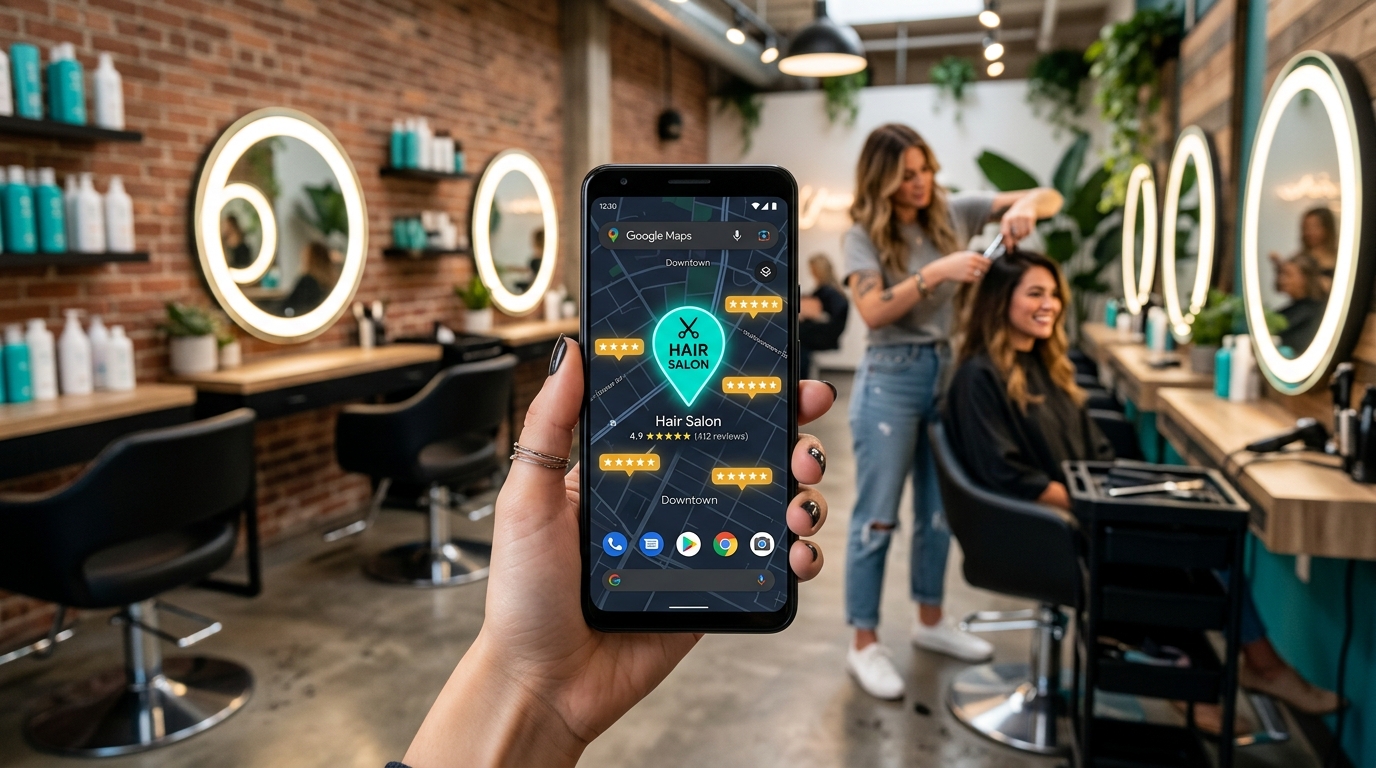
Achieving a prominent Google Maps Ranking is essential for any local business aiming to capture regional market share. This process involves optimizing your digital presence so that search engines recognize your business as the most relevant answer to a user's local query. By focusing on accuracy, proximity, and reputation, businesses can ensure they appear in the "Local Pack," which is the section of search results featuring a map and three specific business listings.
A high Google Maps Ranking depends on three primary pillars: relevance, distance, and prominence. Relevance determines how well a local business profile matches what someone is searching for. Distance considers how far each potential search result is from the location term used in a search. Prominence is based on how well-known a business is, calculated through information gathered from across the web, such as links, articles, and directories.
Optimizing Business Profiles for Better Search Results
To influence your Google Maps Ranking, you must provide comprehensive and accurate data within your business profile. This includes your legal business name, a physical address, a local phone number, and precise operating hours. In 2026, search engines prioritize profiles that offer real-time updates and detailed service descriptions, as these elements help the algorithm verify the legitimacy of the establishment.
Selecting the correct primary and secondary categories is a critical step for a successful Google Maps Ranking strategy. These categories tell the search engine exactly what your business does, allowing it to display your profile to users looking for specific services. Additionally, uploading high-quality, geo-tagged photos and responding to every customer review demonstrates active engagement, which further signals to the algorithm that your business is trustworthy and deserves a higher placement.
Technical Factors Influencing Local Map Placement
The technical health of your website directly impacts your Google Maps Ranking. Search engines crawl your site to find "NAP" consistency (Name, Address, Phone number). If this information varies between your website and your map profile, it creates confusion for the algorithm and can lower your visibility. Ensuring that your website is mobile-friendly and loads quickly is also vital, as most local searches occur on mobile devices while users are on the go.
Implementing local schema markup is another advanced method to boost your Google Maps Ranking. This code helps search engines understand the specific context of your content, such as your location, service area, and customer ratings. By making this data easily extractable for AI models and search crawlers, you increase the likelihood of being featured in voice search results and interactive map queries. Platforms like Leapfy.ai can help automate these complex data interactions to maintain consistency across channels.
The Role of Reviews and Reputation Management
Customer feedback is a significant driver of Google Maps Ranking performance. The quantity, frequency, and quality of reviews provide social proof to both potential customers and search algorithms. A steady stream of positive, recent reviews indicates that the business is currently operational and providing value. Conversely, a lack of recent activity can lead to a decline in your Google Maps Ranking over time.
Managing these interactions manually can be difficult for growing businesses. Utilizing AI-driven tools like Leapfy.ai allows companies to automate lead responses and manage customer conversations efficiently. When a business responds quickly to inquiries and feedback, it improves its engagement metrics. These improved metrics often correlate with a stronger Google Maps Ranking, as the search engine favors businesses that provide a superior user experience.
| Factor | Impact on Ranking | Action Required |
|---|---|---|
| NAP Consistency | High | Match name, address, and phone across all platforms. |
| Review Velocity | Medium-High | Encourage regular feedback from recent customers. |
| Category Selection | High | Choose specific categories that define your core service. |
| Local Backlinks | Medium | Gain mentions from local news or community sites. |
Content Localization and Keyword Integration
Creating content that focuses on your specific geographic area is a proven way to enhance your Google Maps Ranking. This involves writing blog posts about local events, participating in community projects, or creating landing pages for specific neighborhoods. When your website mentions local landmarks and regional terms naturally, search engines associate your business more strongly with that specific location.
Integrating the phrase Google Maps Ranking into your digital strategy helps search engines understand your focus on local visibility. However, the content must remain informative and useful to the reader. High-quality information that answers local questions will keep users on your page longer, reducing bounce rates and indirectly supporting your Google Maps Ranking. AI tools can assist in analyzing which local keywords are currently trending to keep your content relevant.
Monitoring Performance and Adjusting Strategies
Success in maintaining a top Google Maps Ranking requires constant monitoring. Business owners should regularly check their insights to see how many people are calling, requesting directions, or visiting their website through the map listing. If performance plateaus, it may be necessary to update photos, refine service descriptions, or increase the frequency of posts within the business profile.
The competitive landscape for Google Maps Ranking is always shifting as new businesses enter the market. Staying ahead requires a proactive approach to digital management. By leveraging automation for repetitive tasks through Leapfy.ai, businesses can focus on delivering high-quality services while the AI handles the data-heavy aspects of customer engagement and lead capture. This balanced approach ensures a sustainable and dominant Google Maps Ranking in an increasingly automated world.
Future Trends in Local Search for 2026
As we move through 2026, the intersection of AI and local search continues to evolve. Predictive behavior analysis is now a factor in Google Maps Ranking, where search engines try to anticipate what a user needs based on their past habits and current location. Businesses that provide clear, structured data are more likely to be recommended by AI assistants and integrated into automated travel or shopping itineraries.
To secure a long-term Google Maps Ranking, businesses must move beyond basic profile completion. They need to create a digital ecosystem where their website, social profiles, and map listings work in harmony. This holistic approach, supported by intelligent automation from Leapfy.ai, ensures that the business remains visible, relevant, and accessible to the local community, regardless of how search technology changes.