Understanding Google Map Pack vs. Sponsored Ads for Local Visibility
In this article
Understanding Google Map Pack vs. Sponsored Ads for Local Visibility
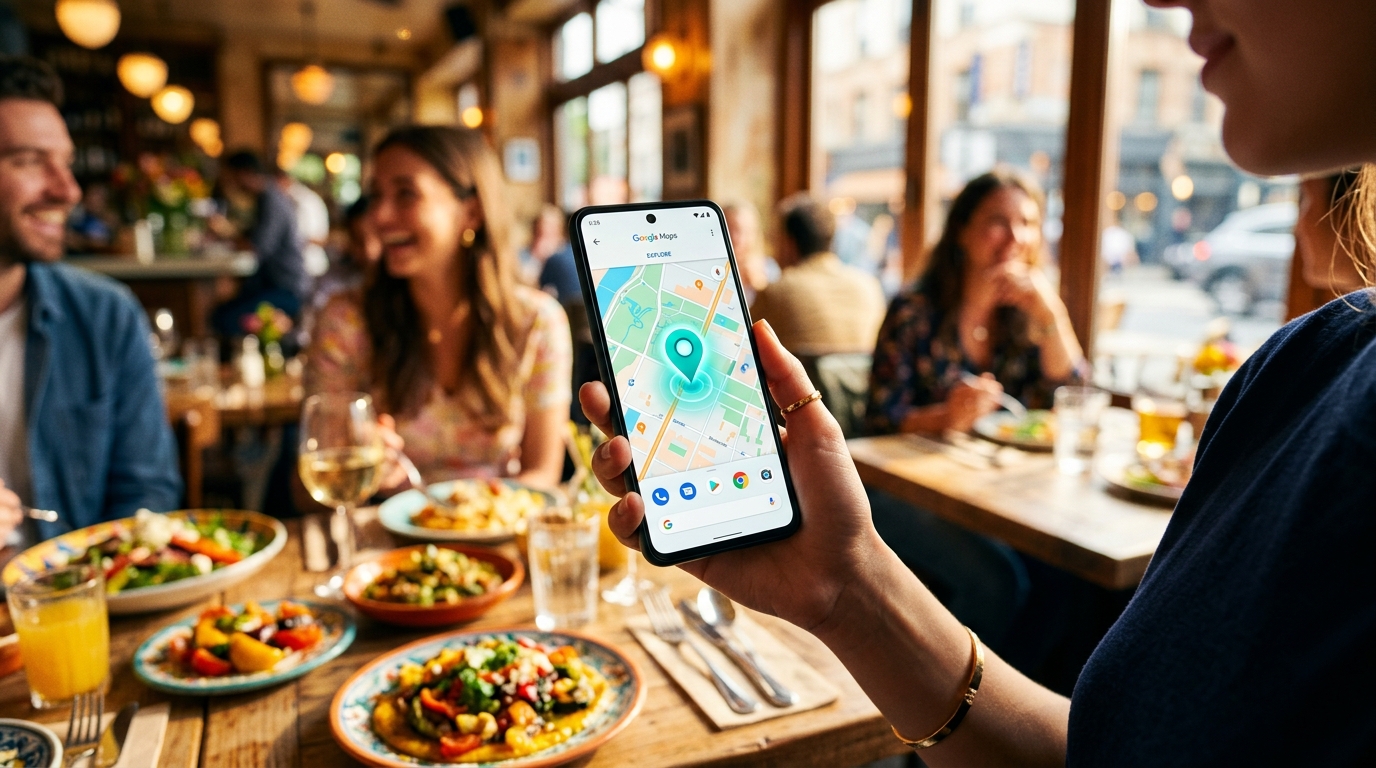
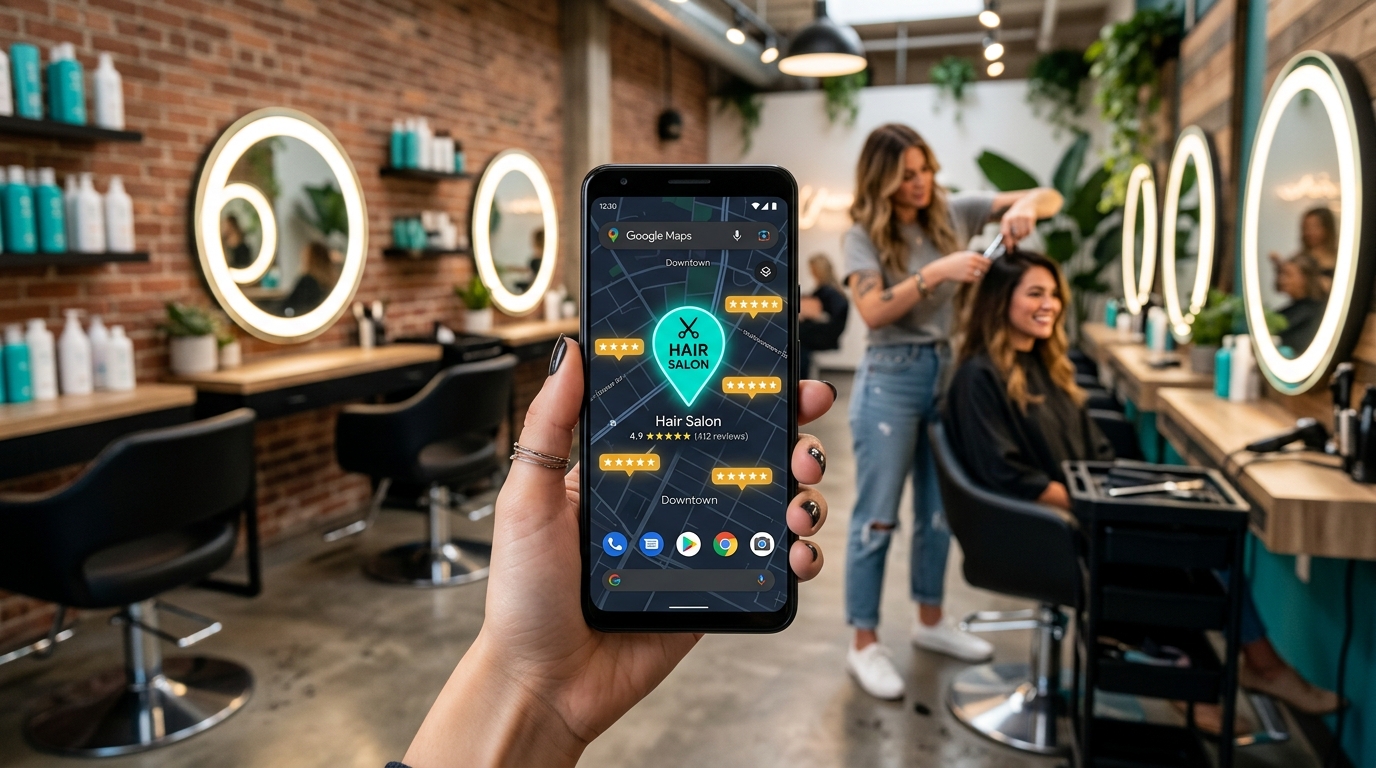
Local businesses in 2026 rely heavily on search engine visibility to attract customers within specific geographic areas. When a user searches for a service nearby, the results page typically displays two distinct sections: the organic local listings and the paid advertisements. Understanding the mechanics of Google Map Pack vs. Sponsored Ads is essential for any business aiming to capture high-intent traffic. The local pack consists of the top three business listings associated with a map, while sponsored ads appear at the very top or within the map interface as paid placements.
The primary difference in the Google Map Pack vs. Sponsored Ads debate lies in how a business earns its position. The map pack relies on local SEO factors, such as proximity, relevance, and prominence. In contrast, sponsored ads operate on a pay-per-click model, allowing businesses to bypass the organic ranking process to gain immediate visibility. For companies looking to scale these interactions, Leapfy.ai provides AI-driven automation to manage the leads generated from both organic and paid sources effectively.
How the Google Map Pack Functions
The organic local map pack is a highly coveted space because it signals trust and authority to the user. To rank here, a business must optimize its local profile with accurate contact information, high-quality images, and a consistent flow of positive reviews. When evaluating Google Map Pack vs. Sponsored Ads, many business owners prefer the organic pack because it does not require a direct cost per click, though it demands significant time and effort to maintain.
Ranking factors for the organic side of Google Map Pack vs. Sponsored Ads include:
- Proximity: How close the business is to the person searching.
- Relevance: How well the business category matches the search query.
- Prominence: The strength of the business's online reputation and backlink profile.
- Engagement: How often users click on the listing or call the business directly.
The Role of Sponsored Ads in Local Search
Sponsored ads provide a shortcut to the top of the search results page. These are identified by a "Sponsored" or "Ad" label and can appear above the organic map results. In the context of Google Map Pack vs. Sponsored Ads, the paid version allows for precise targeting based on specific keywords, times of day, and user demographics. This is particularly useful for new businesses that have not yet built the organic authority needed to appear in the standard map pack.
Using Leapfy.ai, businesses can automate the follow-up process for leads coming through these paid channels. Since sponsored ads often require a financial investment for every click, ensuring a rapid response is critical to maintaining a positive return on investment. Comparing Google Map Pack vs. Sponsored Ads shows that while ads offer speed, they require ongoing budget management to remain active.
Key Differences: Google Map Pack vs. Sponsored Ads
| Feature | Google Map Pack (Organic) | Sponsored Ads (Paid) |
|---|---|---|
| Cost | Free per click; requires SEO effort. | Paid per click or impression. |
| Placement | Below ads, usually in a set of three. | Top of page or top of map results. |
| Speed | Takes months to build authority. | Instant visibility once the campaign starts. |
| Trust Level | High; users perceive it as earned. | Moderate; users know it is a paid placement. |
| Maintenance | Requires constant review management. | Requires constant budget and bid tuning. |
When analyzing Google Map Pack vs. Sponsored Ads, it is clear that the organic pack offers long-term sustainability. However, the sponsored version provides the necessary boost during seasonal peaks or promotional events. Most successful local strategies involve a hybrid approach, utilizing the strengths of both sections to dominate the search results page.
Optimizing Conversions Across Both Channels
Regardless of where a lead originates in the Google Map Pack vs. Sponsored Ads ecosystem, the speed of the response determines the conversion rate. AI-powered platforms like Leapfy.ai help businesses bridge the gap between a user clicking a listing and becoming a paying customer. By automating the initial inquiry phase, businesses can handle the high volume of traffic generated by both organic and paid local search results without increasing manual workload.
The interaction between Google Map Pack vs. Sponsored Ads also affects user behavior. Some users instinctively skip ads to find organic results, while others click the first available option. By appearing in both sections, a business increases its "search real estate," making it more likely that a user will engage with their brand. This multi-channel presence is a cornerstone of modern local digital marketing.
Strategic Implementation for 2026
To maximize the benefits of Google Map Pack vs. Sponsored Ads, businesses should follow a structured process. First, ensure the local business profile is fully optimized with current data to compete for the organic pack. Second, launch targeted ad campaigns to capture immediate demand for high-value services. This dual approach ensures that the business is visible to different types of searchers, whether they prefer organic or paid results.
- Audit the current local ranking to see where the business stands in the organic map pack.
- Identify high-intent keywords where the business is not yet ranking organically.
- Allocate a budget for sponsored ads to cover those keyword gaps.
- Implement Leapfy.ai to capture and nurture leads from both sources automatically.
- Monitor the performance of Google Map Pack vs. Sponsored Ads to adjust spending and SEO focus.
In the evolving landscape of Google Map Pack vs. Sponsored Ads, data-driven decisions are vital. By understanding that the organic pack builds brand equity while sponsored ads drive immediate volume, companies can create a balanced marketing engine. Utilizing automation ensures that no matter how a customer finds the business, the experience remains seamless and professional.