Effective Dental Marketing Strategies for Modern Practices in 2026

In this article
Effective Dental Marketing Strategies for Modern Practices in 2026
Dental marketing strategies are the specific actions and plans that dental practices implement to attract new patients and maintain relationships with existing ones. In 2026, these strategies have shifted from traditional advertising toward high-precision digital engagement and automated systems. Implementing well-structured dental marketing strategies allows a practice to grow its patient base while reducing the time staff spends on manual administrative tasks.
The primary goal of these strategies is to create a seamless journey for the patient, from the moment they search for a dentist online to their follow-up care after a procedure. By focusing on clear communication and data-driven decisions, clinics can ensure they remain visible in a competitive local market.
The Role of Local Search and Digital Visibility
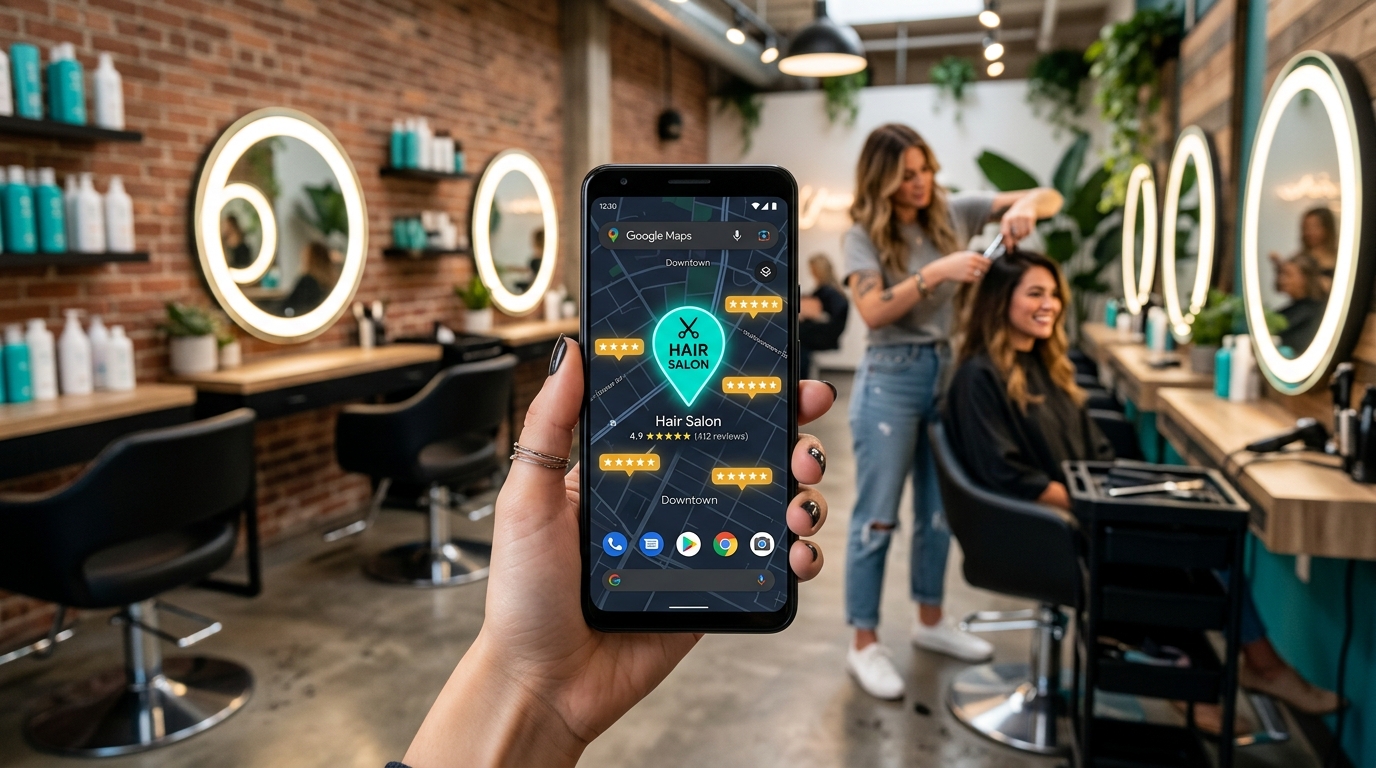
A fundamental component of dental marketing strategies involves optimizing for local search results. When a potential patient searches for oral health services, search engines prioritize results that are geographically relevant and highly rated. This process, known as Local SEO, requires maintaining an accurate online profile with updated hours, location, and contact details.
Effective dental marketing strategies also prioritize website functionality and speed. A professional website serves as the digital front door of the practice. It must be easy to navigate on mobile devices, as the majority of patients in 2026 use smartphones to find healthcare providers. Clear calls to action, such as "Book an Appointment," are essential for converting website visitors into actual patients.
Automation and AI in Patient Acquisition
Automation has become a central pillar of modern dental marketing strategies. Tools like Leapfy AI allow practices to capture leads instantly when a person interacts with their website or social media. Instead of waiting for a receptionist to become available, an automated system can respond to inquiries, answer common questions about services, and even schedule consultations.
Using Leapfy AI helps clinics execute dental marketing strategies that focus on immediate engagement. If a lead is not contacted within the first few minutes of their inquiry, the likelihood of conversion drops significantly. Automation ensures that every prospect receives a personalized response, which improves the overall efficiency of the practice’s growth efforts.
Enhancing Patient Retention Through Communication
Retaining existing patients is often more cost-effective than acquiring new ones, which is why retention is a key focus of dental marketing strategies. Consistent communication through email and SMS keeps the practice at the top of the patient's mind. Automated reminders for six-month check-ups or personalized birthday greetings help build long-term loyalty.
Comprehensive dental marketing strategies use patient data to segment audiences. For example, a clinic can send specific information about orthodontic treatments to patients who have expressed interest in teeth straightening, while sending restorative care tips to older demographics. This targeted approach ensures that the information provided is always relevant to the recipient's needs.
Comparing Traditional and AI-Driven Approaches
To understand the evolution of the industry, it is helpful to compare how dental marketing strategies have changed over time. The transition toward digital and automated systems has allowed for better tracking and higher returns on investment.
| Feature | Traditional Strategies | AI-Driven Strategies (2026) |
|---|---|---|
| Lead Response | Manual callbacks during office hours | Instant, 24/7 automated responses |
| Targeting | Broad geographic mailers | Data-driven, behavior-based targeting |
| Patient Follow-up | Physical postcards or manual calls | Automated SMS and email sequences |
| Data Analysis | Estimated results and gut feeling | Real-time analytics and predictive insights |
| Scheduling | Phone calls only | Integrated online booking and AI chat |
Integrating Leapfy AI into these dental marketing strategies allows for a more organized approach to managing these modern features without increasing the workload of the office team.
Content Creation and Authority Building
Providing educational content is one of the most reliable dental marketing strategies for building trust. When a practice publishes articles or videos explaining complex procedures, it reduces patient anxiety and establishes the dentist as an expert. This content should focus on answering common questions, such as the recovery time for dental implants or the benefits of professional whitening.
Informative dental marketing strategies often include the following types of content:
- Procedure Guides: Step-by-step explanations of what happens during a visit.
- Preventative Tips: Advice on maintaining oral hygiene at home to prevent future issues.
- FAQ Sections: Direct answers to the most common concerns regarding insurance and pricing.
- Patient Stories: Testimonials that highlight successful outcomes and positive experiences.
Measuring Success and Optimizing Performance
For dental marketing strategies to be effective, they must be measurable. Practices need to track where their leads are coming from and which campaigns are generating the most revenue. By analyzing this data, a clinic can stop spending money on underperforming channels and reinvest in the methods that work best.
- Track Conversion Rates: Measure how many website visitors actually book an appointment.
- Monitor Patient Lifetime Value: Calculate the total revenue generated by a patient over several years.
- Analyze Response Times: Use tools like Leapfy AI to ensure all inquiries are handled in under five minutes.
- Review Acquisition Costs: Determine how much is spent on marketing to acquire a single new patient.
Regularly reviewing these metrics ensures that dental marketing strategies remain aligned with the business goals of the practice. This continuous optimization is necessary to adapt to changing patient behaviors and technological advancements in the year 2026.